• Home
  • About the Ninja Marmoset….
  • Ninja Theatre
  • My life in Radio
  • The Marmoset on TV
  • The Movie Marmoset
  • Script consultancy & other monkey business
  • Monkey Pictures
  • Contact

NinjaMarmoset

~ rants & reflections of Martin Jameson, writer, director & grizzled media gunslinger.

NinjaMarmoset

Category Archives: New Releases

What the Big Screen told me in 2025

31 Wednesday Dec 2025

Posted by Martin Jameson in Art, Art Criticism, Film, New Releases, Sexual Politics, Uncategorized, Writing

≈ Leave a comment

Tags

'Woke' Politics, 2025, 2025 Movies, horror, movie-reviews, movies

There’s a reason that the marmoset hasn’t been blogging this year. When it comes to creating online content, I’ve been focusing my energies on the excellent Sci-Fi Bulletin where I get to write critically (and, hopefully, entertainingly) about the joys, or otherwise, of science fiction, fantasy and (my favourite of the three main genres) horror, on both big and smaller screens. Our esteemed managing editor, Paul Simpson has been facing health challenges, so it has galvanised our little gang to keep the motor running. It’s a wonderful space, writing for an informed and interested audience without fear or favour who (I tell myself!) will appreciate me taking a long view (I’m getting on a bit) of the latest twists and turns of genre entertainment.

There are always patterns, as I explore in my latest round-up of the year’s best Big Screen genre offerings observing that science fiction seems to have taken something of a back seat to horror in 2025 and hazarding a guess as to quite why that might be the case. Click here to read the full article.
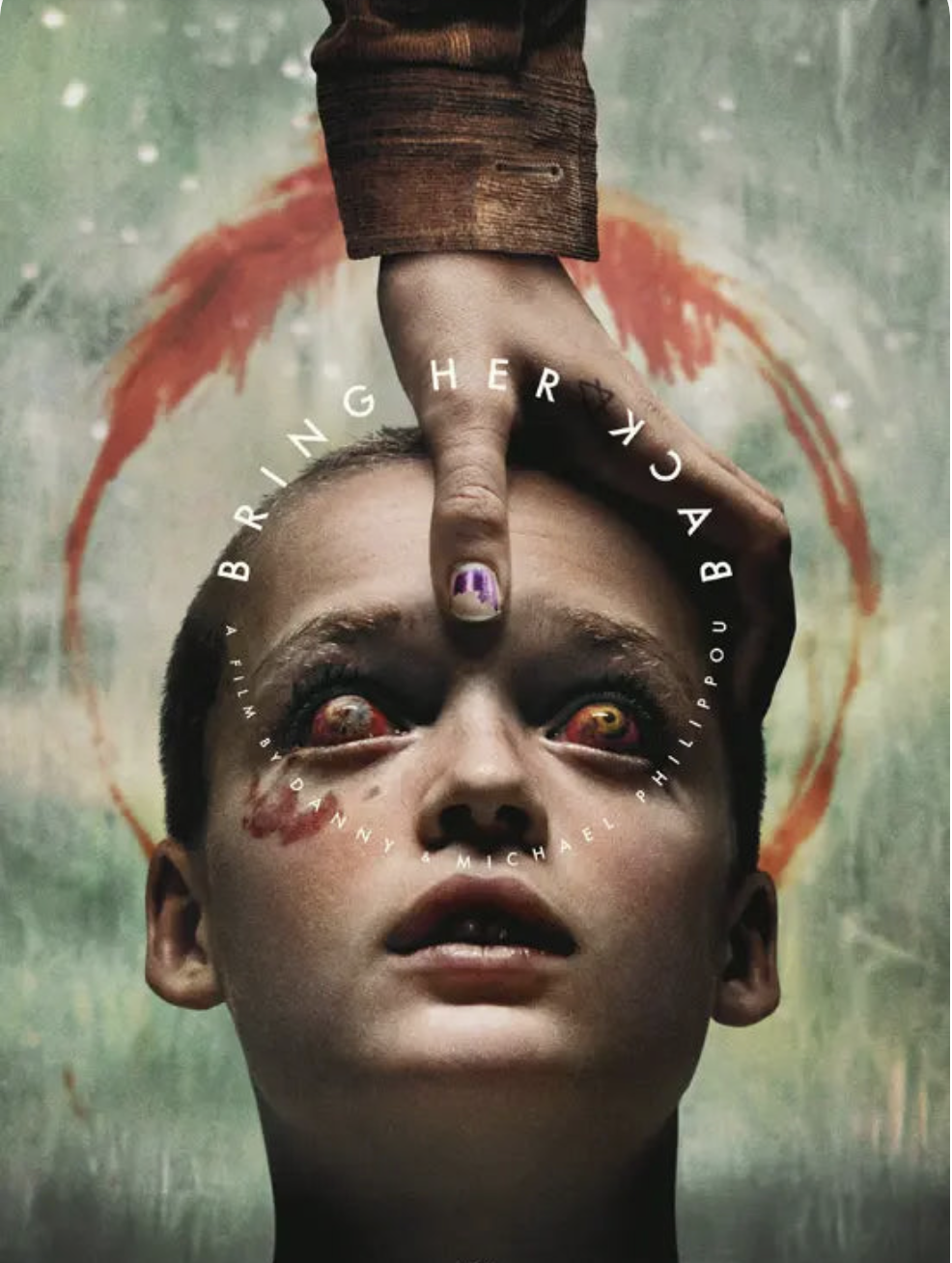
In my piece for Sci-Fi Bulletin I explore why Bring Her Back is my film of the year

But, as a jobbing script writer, my viewing habits go far wider than my main critical brief. I’m still producing work covering comedy, satire, fantasy, science fiction, historical drama, not to mention the occasional police procedural and odd smidgeon of children’s TV. Basically I watch a bit of everything, trying my best to catch at least one episode of any new series on the telly-box and spending possibly more time than is healthy in the darkness of my local movie theatre.

So, what did it amount to, all this ogling? Indeed, critical essays aside (enough opinions already!) what, if anything, do the numbers tell me? I’ve watched 133 movies over the last 12 months – 118 of them new releases. It may not be exactly scientific but at more than two films a week it’s surely a decent and at least reasonably representative data sample. Of course on their own the numbers are just numbers, they only take on meaning when you start to compare them over time when the trends appear to be striking.

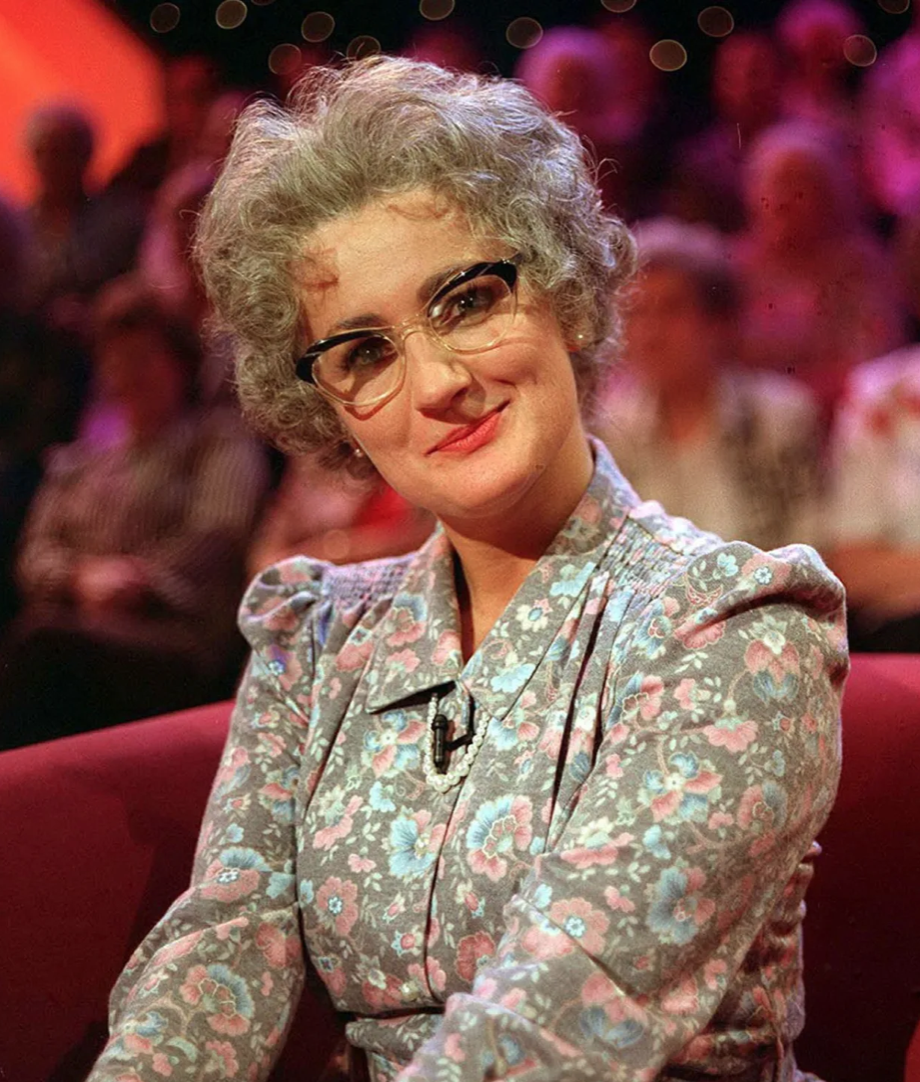
There are doubtless far more authoritative industry stats available, but the first thing that struck me was that compared to 2024, the proportion of female film directors helming the new releases I saw had more than halved from 19% to 7%. Directors of colour had also dipped from 19% to 13%. US movies – mainly directed by white men – had reasserted themselves jumping from 50% in 2024 to 59% in 2025. Yes, it’s only a one year comparison but nonetheless the differences are striking, suggesting a retraction of diversity in terms of who is (literally) calling the shots, just as on screen representation seems, superficially, to be healthier than ever. While drawing correlations between identity, talent and authorship are contentious, it’s hard not to infer that white men have simply got better at telling more diverse stories. Whether that is a good or a bad thing, is a matter for ‘heated debate’ as Caroline Aherne’s Mrs. Merton might have said.
Meanwhile, British movie originations using these crude metrics appeared to have dipped from 34% of what I chomped my popcorn to in 2024, down to just 18% (although plenty of the US sponsored titles were shot over here, obviously) – and it’s worth adding that I make a special effort to catch as much homegrown product as I can.

But, perhaps counterintuitively given those figures, it was a fun and intriguing year in the cinema. While so many big releases seemed to falter (Mickey 17, Snow White, Mission Impossible: The Final Reckoning, After the Hunt, Christy, Superman, Fantastic Four, The Smashing Machine, Elio and the abysmally titled Springsteen: Deliver Me From Nowhere) and those that didn’t (notably Wicked For Good, Lilo and Stitch, A Minecraft Movie) weren’t for me there seemed to be a resurgence of small to mid-sized movies just intent on telling great stories that left me wiser about the human condition. Indeed some of them were in no way the best movies ever made, but they have stayed with me and I was not only entertained but was glad they were there in a world where there’s a growing belief that art can be reduced to an algorithmical function. Amongst those I would include – going by their UK release date – in only a vague order:

September 5th – a compelling, if workmanlike, account of the 1972 Munich olympics terrorist attack cleverly focused on the sports TV production unit who found themselves covering the events and facing hitherto unheard of editorial challenges.

From Hilde With Love – a little known and deeply affecting story of anti-Nazi dissidents in Germany during World War II.

Sketch – surprisingly edgy and inventive children’s fantasy that came and went under the radar but is well worth searching out, if you missed it.

Pillion and Lurker – explored controlling and abusive relationships from different angles and had me squirming in my seat… in a good way.

Companion – a smart, witty ‘B’ movie tech thriller about an android girlfriend gone rogue, which in its own way also explored ideas around coercive control.

Roofman – Channing Tatum proves he can really act in this funny and affecting biopic of a small time hustler holding out in a Toys’r’Us department store.

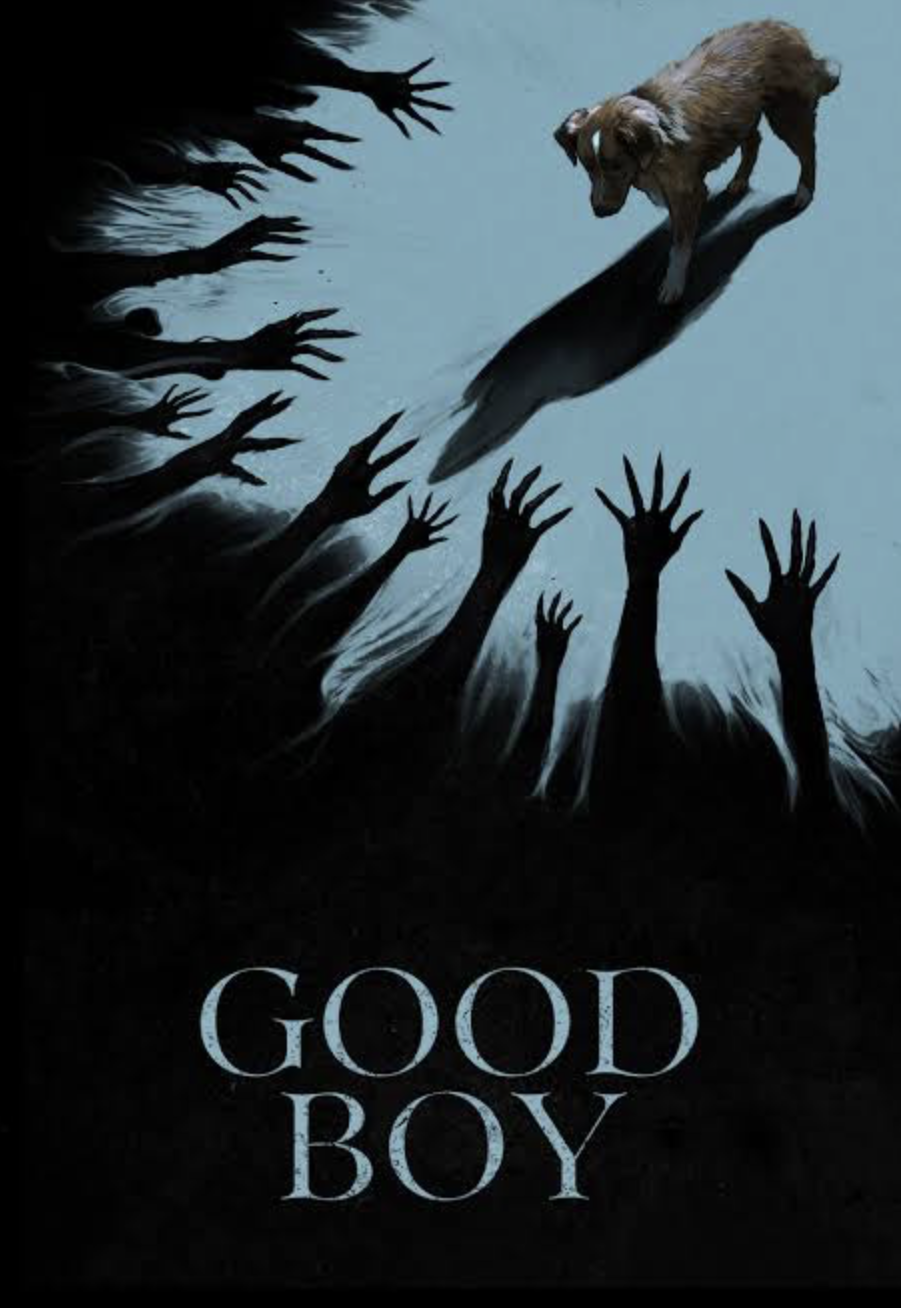
Good Boy – haunted house horror from the POV of an adorable Nova Scotia Duck Tolling Retriever. What’s not to like?
Blue Moon – Ethan Hawke gives a career best performance as diminutive alcoholic American lyricist Lorenz Hart.

One Battle After Another – perhaps the ‘biggest’ movie in this list (along with Sinners) and while I might have been less wowed than others (it’s headed for a few Academy Awards no doubt) it was a hugely enjoyable ride full of character and fun, not least for its highly original car chase finale.

Santosh – a fascinating Hindi police procedural following a young female constable encountering police corruption in rural India.

The Choral – From the trailers this looked like yet another piece of cheesy British heritage cinema. In reality it was far sharper with Alan Bennett back on form, drawing on themes he explored successfully in earlier works such as A Day Out as far back as 1972, and the original Talking Heads from the 1980s.

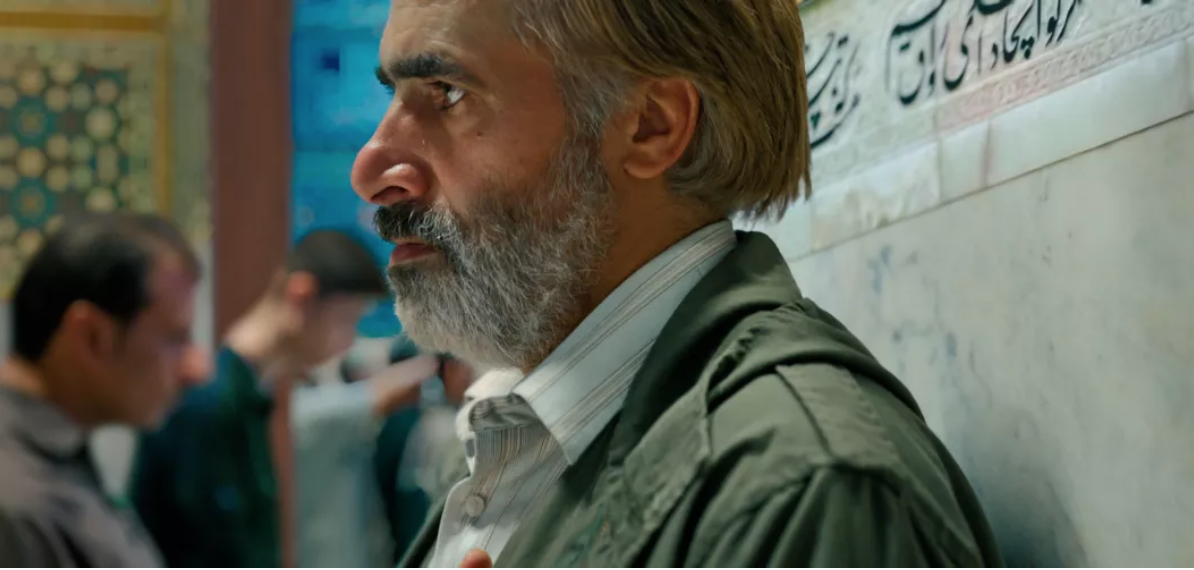
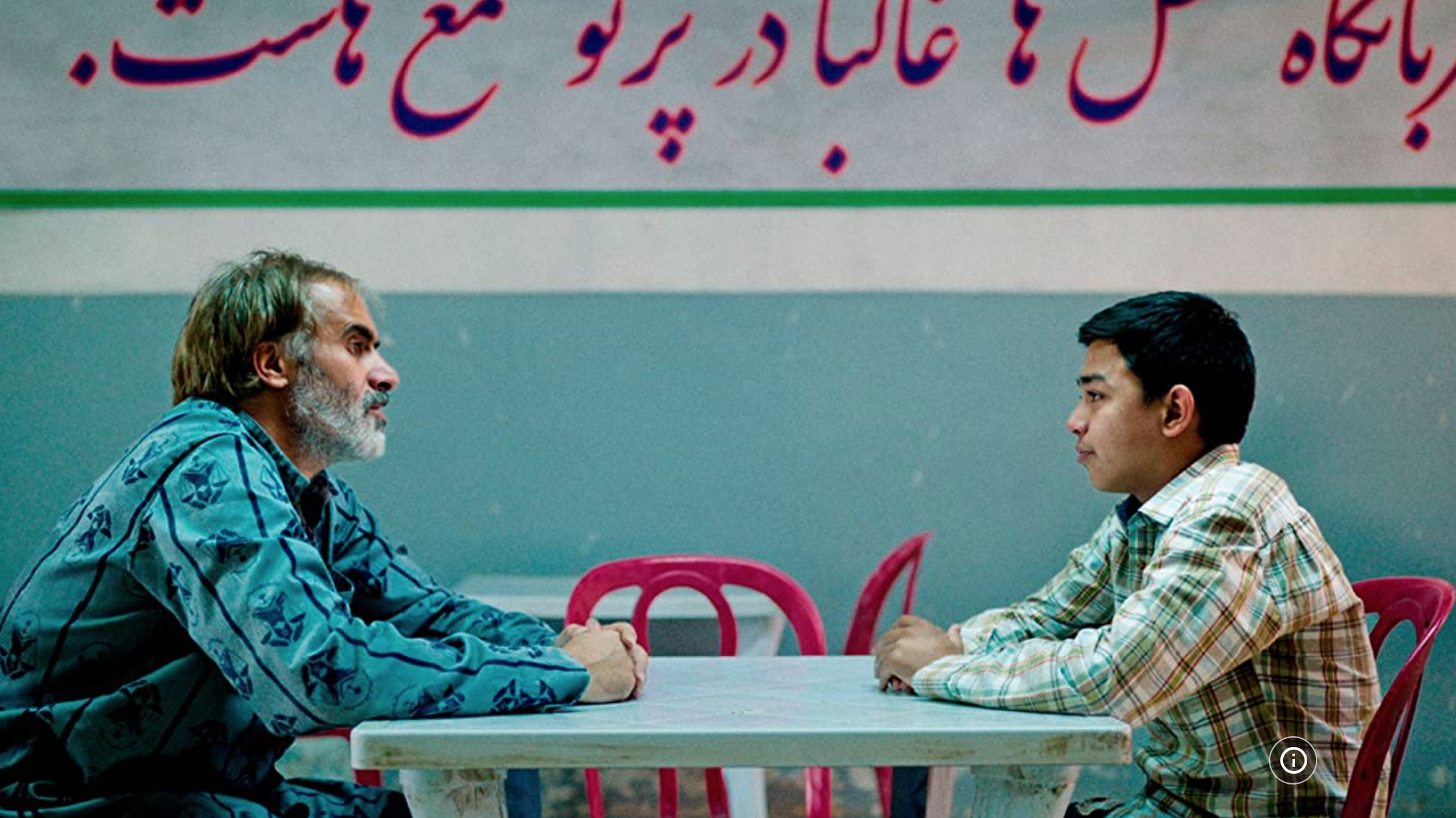
It Was Just An Accident – managed to throw a chilling light on Iranian state oppression while squeezing out genuine humour and humanity along the way. Just getting it made was a remarkable statement in itself.

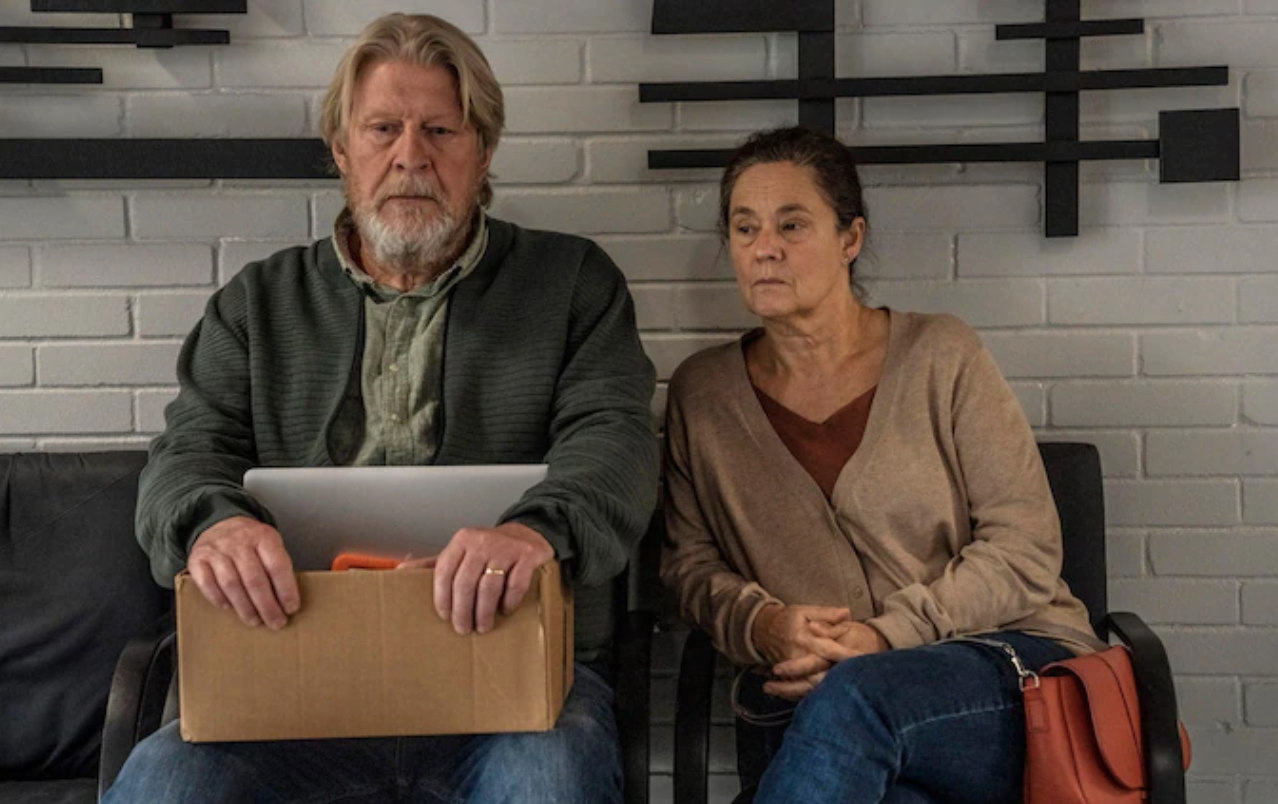
The Rule of Jenny Pen – John Lithgow terrorises fellow care home resident Geoffrey Rush in a movie designed to scare the willies out of anyone contemplating the ever approaching immediacy of their declining years… (i.e. me).

Warfare – Alex Garland finally makes a movie that works in every respect from start to finish. A visceral (literally), truthful and horribly immersive war movie.

House of Dynamite – the most terrifying movie of 2025 as we watch Sir Idris Elba lead us into nuclear war in 19 minutes of real time seen from different perspectives.

Oscar winning Latvian animation – Flow – had its UK release this year, and is a soul stirring animated masterpiece contemplating a drowned world from the perspective of a small black cat and its animal friends.

I Swear – was classic British film making at its very best as Robert Aramayo staked his claim on being the next hot UK acting talent with his depiction of Turette’s trailblazer John Davidson. Just close your ears to Maxine Peake’s iffy Scottish accent.
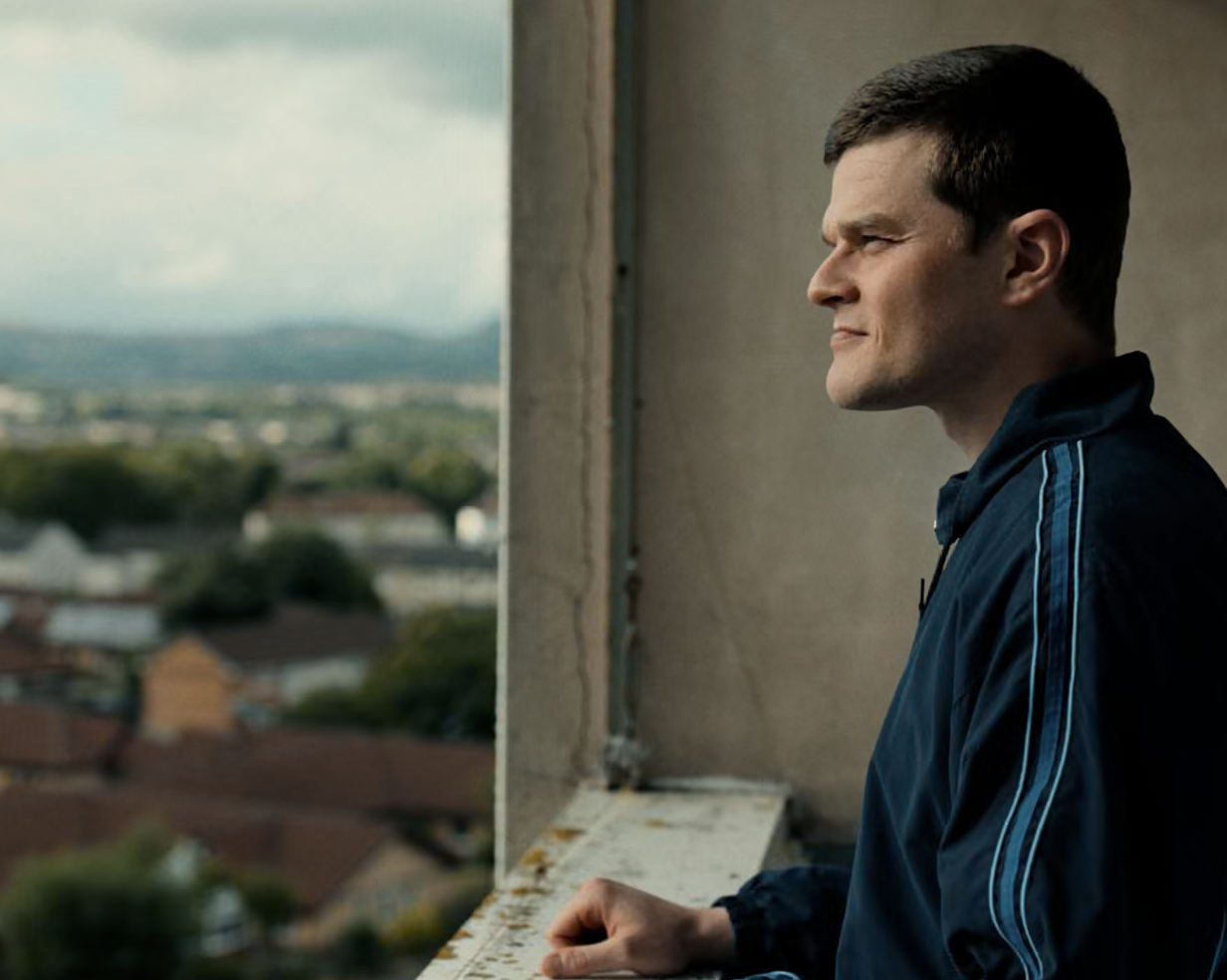
The amazing Robert Aramayo as John Davidson in I Swear

Sinners – top drawer vampire action acted as a conduit for a thoughtful essay on the Americanisation of the US’s migrant communities. In that respect, Ryan Coogler’s Sinners is surprisingly close to The Brutalist, only shorter, more entertaining, less pretentious and actually more culturally astute… plus it has a score to (un)die for… literally.

A Real Pain was also a 2025 release in the UK and similarly soul stirring, unless, like a surprising number of my friends, you simply look at at and think: ‘Isn’t Kieran Culkin just really annoying?’ without asking why.

The Ballad of Wallis Island – I laughed, I cried, I laughed again in this flawless, life affirming romcom-with-a-twist featuring a standout central performance from Tim Key.

Australian horror Bring Her Back – blew my socks off as Sally Hawkins made us sympathise for a woman with the most evil of intent. Horror movies are rarely truly scary, but this had me cowering in my seat and peeping through my fingers, but managed to touch my heart as well. My film of the year by a very long way.
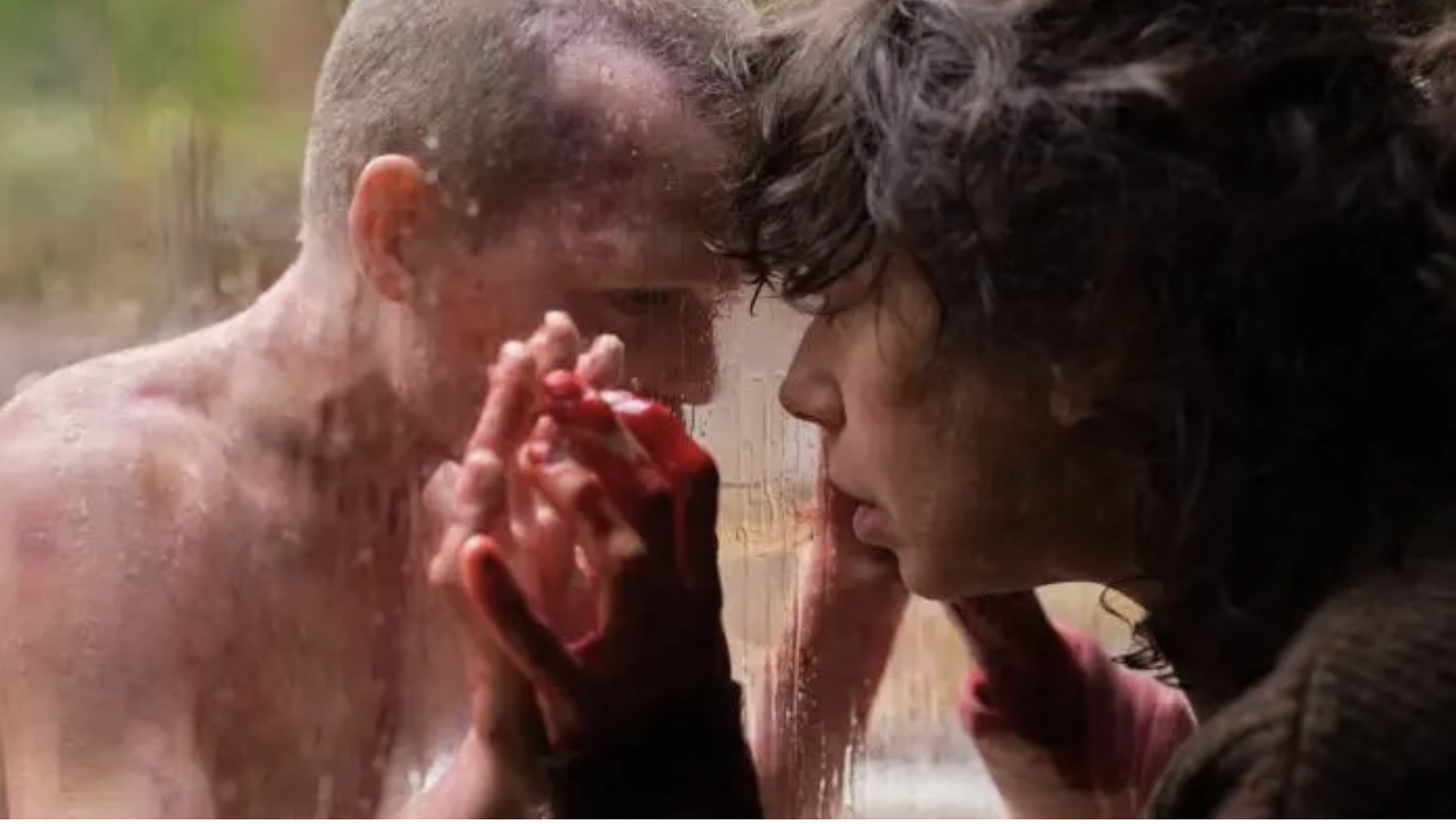
Jonah Wren Phillips and Sally Hawkins still haunting my dreams in Bring Her Back

So, what, if anything, can one conclude from this mish-mash of unscientific data and thumbnail impressions? On the one hand we see diversity seemingly on the retreat and identity politics taking a back seat. Arguably it was left to Wicked to do all the heavy lifting on that front this year – and very successfully too by all accounts, including the box office ones. But as the other big franchises seemed to sputter, this left the medium of film to get back to what it does best, which is to tell a far more diverse range of stories taking us to corners of the human experience that we might otherwise never see.

While the dictum ‘no stories about us, without us’ might seem hard to argue with, I often find myself wondering whether it is in fact little more than a glib and counterproductive truism. Surely the heart of much that it is great in art comes when creatives use our imaginations precisely to explore ideas and situations we have not, nor could ever experience. I have a vague memory that this frowned upon phenomenon is actually called empathy. As anyone who has ever filled in a funding application to Arts Council England will know, it can feel at times that we have turned the empathetic imagination into an artistic crime. It might explain in part why we have, as a society become so polarised and absolutist and binary and intolerant. Artists have boxed themselves into a corner where it is essentially an offence to claim to know anything about anyone that isn’t you. We talk a lot about ‘lived experience’ (or ‘experience’ in old money) but as a curious and hopefully empathetic creative it’s written into my artistic DNA to want to write about things I haven’t experienced at all. We have quite literally taken the art out of art.

Thankfully, in 2025, I have felt, perhaps intangibly, that this horrible, stifling absolutism is on the retreat. To be fair, perhaps, as I suggested earlier, we have learned something positive from this period of artistic insanity. We see the world with a wider lens and that’s a good thing, but crucially, it feels as if we are being allowed to imagine again, and get back in touch with the real world…

…just in time for a war and global collapse when we simply won’t have time for such trivia, nor, as Mr Freud once said, for ‘the narcissism of our (extremely small) differences’.

Share this:

  • Share on X (Opens in new window) X
  • Share on Facebook (Opens in new window) Facebook
Like Loading...

Holy Spider – Voyeurism or Bearing Witness?

25 Wednesday Jan 2023

Posted by Martin Jameson in Criticism, Film, Film Criticism, Media, New Releases, Sexual Politics, Television Criticism, Television Drama, Writing

≈ Leave a comment

Tags

Ali Abbasi, Holy Spider, Saeed Hanaei, Wendy Ide

NB. There’s no way of talking about this without spoilers, although the film largely based on a true story, so it’s up to you.


Holy Spider is a tough watch. It’s a fictionalised account of the serial killer Saeed Hanaei, who murdered 16 women in Iran, all or most of whom were sex workers, in 2000-2001. He was ultimately caught and executed, but along the way, Hanaei became a folk hero of the religious right because of his claim that his killing spree was a divinely inspired mission to cleanse the streets of ‘corrupt women’.

Zar Amir Ebrahimi as Arezoo Rahimi in pursuit of the Holy Spider serial killer

In light of today’s protests by women in Iran against the strictures of the ‘Morality Police’ the story feels important and prophetic, suggesting that Hanaei’s twisted mentality is now enshrined in a state sanctioned murderously misogynistic DNA.

I should start by saying that I think Holy Spider is a very good film in many ways. It’s brilliantly made, utterly gripping, with superb acting all round. The director, Ali Abbasi, is himself Iranian (although he lives in Denmark now) and some might remember him from the very bizarre Border which came out a few years ago about a Troll working as a customs officer.

If you haven’t seen Border, dig it out. It’s VERY weird, completely original and utterly compelling.

But… But…. 

On the one hand Holy Spider follows an incredibly determined brave woman journalist, Arezoo Rahimi, who finally entraps Hanaei by posing as a sex worker and pursuing justice on behalf of his victims, on the other it endeavours to explore Hanaei’s psyche (embittered war veteran, religious zealot etc), following him as he commits murder after murder, which he gets away with because, as with Peter Sutcliffe, there is little sympathy for his sex worker victims who are seen as largely responsible for their own fate.

Hanaei is brilliantly and believably portrayed by Mehdi Majestani but is that part of the problem?

Here lies the problem. To tell this part of the story, Abbasi decides we need to watch not one, not two, but three very brutal murders, dwelling in graphic detail on highly disturbing images of their strangulation. While there is some attempt, certainly with two of the victims, to give them a hinterland and depth beyond being simply cinematic murder-fodder, there is clearly justification for the accusation that Abbasi is being unnecessarily voyeuristic. Wendy Ide in The Observer was particularly scathing, suggesting that this aspect of the film perpetuated precisely what it was attempting to critique and it was therefore only worthy of two stars. She has a point.

But… But…

I found myself very conflicted. In recent years, especially in the writing community, the consensus has been that we should aim to give far less narrative air time to perpetrators, and where possible make our stories about those who suffer at their hands. In 2021, in The Investigation, a brilliant Danish dramatisation around the murder of journalist Kim Wall in a wealthy entrepreneur’s private submarine, the perpetrator was neither named or featured at all. It was an incredibly affecting and powerful drama. 

Danish drama The Investigation resolutely denied the perpetrator airtime

The thing is, while I was blown away by the power of that Danish series, I can’t in all honesty bring myself to believe that this is the only way of respectfully telling these stories, after all sometimes it is our duty as writers to dig down into why people transgress in the way they do. In the case of Iran, where Abbasi is making a broader political point about ingrained cultural, political and religious misogyny, not to explore who Hanaei believes himself to be would be to render the whole enterprise utterly pointless.

Indeed, although Hanaei was caught after a potential victim managed to escape, the journalist’s brave, empowering entrapment story, gripping though it is, appears to be little more than worthy wish fulfilment. The truth of the film – and truth is what we’re about as writers and directors – lies in the parts of the film about which well-meaning, politically astute critics are so righteously critical.

So, could the film have been made without forcing us to watch those murders? Would one or two murders have been enough? The answer to that is yes, but I seriously doubt it would have been anywhere as powerful a statement as it is. It could reasonably – if uncomfortably – be argued that to do so would be less respectful of those victims, not more so, because in narrative terms the crimes would be sanitised for the audience, and Abbasi is addressing an audience who, he believes, simply do not take the issue of violence against women seriously. If there are people – sometimes controlling entire nations – who see violence against women as an abstract justified by a higher force, as divine retribution, then showing it as cold, brute, murderous evil done, repeatedly, by men (not gods), is thematically and politically justified. After all, that is the truth of the world.

When we meet the parents of one of the murdered women, torn apart by grief and shame, it is a hair-raising moment, precisely because we have lived the young woman’s terrible death with her. When Hanaei’s son coolly, proudly re-enacts his father’s crimes with his toddler sister, as if playing a children’s game, we flinch precisely because we have borne witness to the full horror of the deed as it happened.

And in a brilliant and shocking final act, the execution of Hanaei is seen to be equally brutal, the audience forced to watch in grim detail just as they have the murders of his female victims. We could equally ask do we really need to see that in all its horror? The answer for me is yes, because it exposes the suffocating pointlessness of any culture driven by retribution, divine or human.

In its brilliant conclusion, Holy Spider dramatises Hanaei passing his misogynist beliefs down to his son.

It has become easy to eschew voyeurism, and often there is good reason to be wearily impatient with tropes where women feature primarily as corpses, but equally there are times when those stories need to be told, and when perhaps those images need to be seen. 

Whether the balance is right here, and whether a woman director would have made this differently, or as effectively, or better, I genuinely have no idea. All I can say is that Holy Spider is an extremely powerful and disturbing film which I shall be thinking about for days if not weeks if not years, where a more discreet cinematic style might have been a good deal more forgettable.

It made me rightfully angry at the crime, not at the film maker, and I’ve never been one for blaming the messenger.

(If you’re new to the Marmoset and interested in anything you read on the blog page please find out more by clicking here and having a little explore)

Share this:

  • Share on X (Opens in new window) X
  • Share on Facebook (Opens in new window) Facebook
Like Loading...

She Said (and we all need to listen… and look in the mirror)

05 Monday Dec 2022

Posted by Martin Jameson in #MeToo, Film, Film Criticism, New Releases, Sexual Politics

≈ Leave a comment

Tags

Carey Mulligan, Harvey Weinstein, Jodi Kantor, Maria Schrader, Megan Twohey, Patricia Clarkson, Rebecca Lenkiewicz, She Said, Zoe Kazan

I wasn’t in a hurry to see She Said, as, on paper, it sounded heavy going. Two hours and ten minutes of earnest New York Times journalists trying to nail the Harvey Weinstein story? Don’t we already know what happened? Perhaps this is why it has struggled at the Box Office, although numerous news items about how the movie has bombed but is ‘terribly good really’ haven’t helped. But then a friend posted emotionally about going to see it and it spurred me on to make the effort.

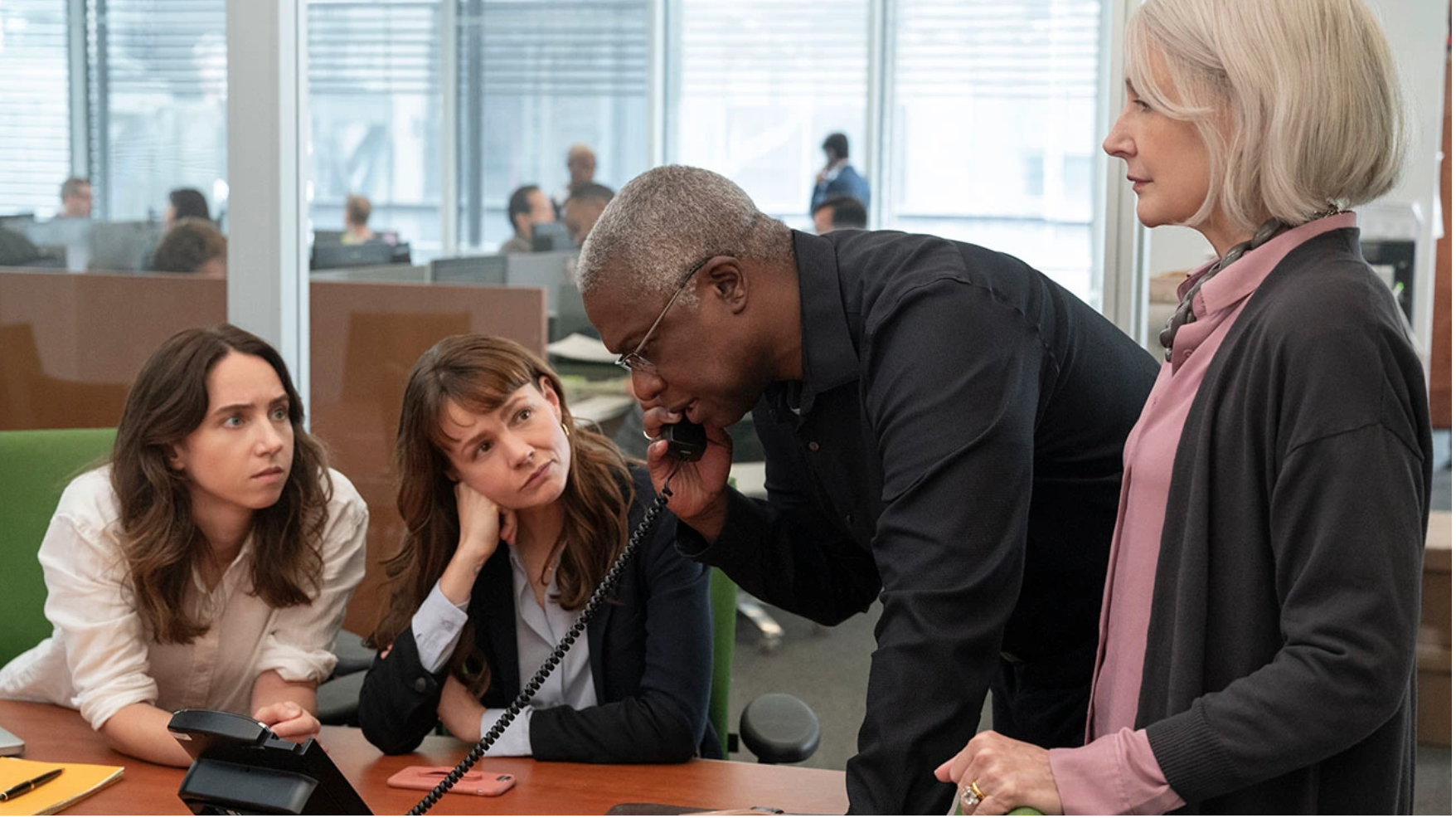
Zoe Kazan, Carey Mulligan, Andre Braugher & Patricia Clarkson nailing Harvey Weinstein

Well… for a movie where we do indeed know what happened, and where 80% of the running time is people on their phones, or reporting off-screen action, this is not only edge-of-the-seat gripping stuff, but incredibly moving. I went with my wife and we were both moved to tears (Gail’s from Sheffield and she’s dead hard!).

The genius of Rebecca Lenkiewicz’s script is that it’s the tangential detail that acts as the emotional sucker punch. A Skype call where a child reveals the extent to which sexual violence has been normalised is painfully upsetting. A woman about to go into theatre for a mastectomy making a crucial choice to cast off decades of fear and oppression – and more like this – dramatise how it isn’t simply the sorry tale of Harvey Weinstein being brought to book; it isn’t about bringing down one dysfunctional and evil individual. It’s about forcing a long overdue tectonic cultural shift.

On a personal level, while I never witnessed anything on this scale, having worked in theatre and broadcast media for forty years, I’ve encountered a good deal of sexist bullying and intrusive behaviour… and, I’m sorry to say, turned a blind eye to a good deal of it, especially when I was younger in the 1980s, telling myself (wrongly) that as long as I wasn’t a participant, my hands were clean. Of course, all I did, along with pretty much everyone else, male and female, is help to perpetuate a toxic, abusive culture. I mention this, because, if you get anything from seeing this film it shouldn’t be to consider the problems it identifies as ‘other’.

If All The President’s Men is about journalists exposing a conspiracy in the highest echelons of power, She Said is about ending a conspiracy where really rather a lot of quite ordinary people have been complicit as well.

Mulligan and Kazan are both terrific as journalists Twohey and Kantor, and who wouldn’t want Patricia Clarkson as your editor???? There’s a great cameo from Samantha Morton and an incredibly moving supporting performance from Jennifer Ehle. This is a film that could so easily have been ‘worthy’ in a bad way, but it manages to be angry and passionate, and while I haven’t checked the historical accuracy yet, it certainly feels truthful (which is something different). I guess it’s ‘worthy’ in the best way possible, as in leaving me feeling that I’m not worthy… just blown away.

(If you’re new to the Marmoset and interested in anything you read on the blog page please find out more by clicking here and having a little explore)

Share this:

  • Share on X (Opens in new window) X
  • Share on Facebook (Opens in new window) Facebook
Like Loading...

Archives

  • January 2026
  • December 2025
  • February 2024
  • February 2023
  • January 2023
  • December 2022
  • July 2022
  • April 2021
  • March 2021
  • November 2019
  • August 2019
  • June 2019
  • March 2019
  • August 2018
  • June 2018
  • March 2018
  • June 2017
  • May 2017
  • November 2016
  • August 2016
  • May 2016
  • April 2016
  • March 2016
  • December 2015
  • June 2015
  • April 2015
  • March 2015
  • January 2015
  • July 2014
  • May 2014
  • April 2014
  • March 2014

Recommended Links

  • Deadlines & Diamonds Excellent blog, mainly about the trials and tribulations of TV writing by my good friend and successful UK TV scribe, Lisa Holdsworth
  • FrozenWarning This blogger describes herself as an ‘evidence based fact ninja’ – so I like her already!
  • Sci-Fi Bulletin: Exploring the Universes of SF, Fantasy, Horror and Spy-fi! This is an excellent website, run and written by professionals, and features lots of reviews and think pieces by Yours Truly.
  • This Is My Think Spot My niece Kate Reader gave me a kick up the bum to start blogging. This is hers…

Blog at WordPress.com.

Privacy & Cookies: This site uses cookies. By continuing to use this website, you agree to their use.
To find out more, including how to control cookies, see here: Cookie Policy
  • Subscribe Subscribed
    • NinjaMarmoset
    • Join 41 other subscribers
    • Already have a WordPress.com account? Log in now.
    • NinjaMarmoset
    • Subscribe Subscribed
    • Sign up
    • Log in
    • Report this content
    • View site in Reader
    • Manage subscriptions
    • Collapse this bar
 

Loading Comments...
 

    %d