
As a working writer, most years I do my very best to catch at least one episode of as many new television dramas as I can. This is the age of streaming after all, and anyone serious about writing for (or about) TV should at least watch the medium. You need to know what’s in the air, what the trends are, who’s doing what, etc, especially if you want to be able to conduct a coherent conversation in a pitch meeting… or know who to pitch to in the first place.
So it was, that in 2025 I sat down in a spirit of eternal optimism and checked out 52 different TV drama series. Given that I also watched 133 movies (you can read about ‘What the Big Screen told me in 2025’ here), the first thought that comes to mind is that I need to get a life. These 52 TV series consisted of 335 hours of content, which, on the basis of an eight hour working day, would have taken me 42 days to watch, or, allowing for one day off a week, 7 weeks of my precious time on this good earth.
Luckily, I do have a life – along with a crushing sense of my own mortality – and so it also was that I abandoned 31 of them by the end of their first episode – saving 161 hours and reclaiming nearly three and half weeks to spend, instead, scrolling aimlessly on the internet. Assuming that you, dear reader, are also scrolling the internet rather than doing something useful with your life, and given that I’m anal enough to keep notes on everything I watch, let’s have a rummage around the numbers to see what, if anything, I learned from such a colossal waste of time.
First up, not all of it was bad. There were at least thirteen of those 52 shows that would probably be judged good or exceptional by most people.
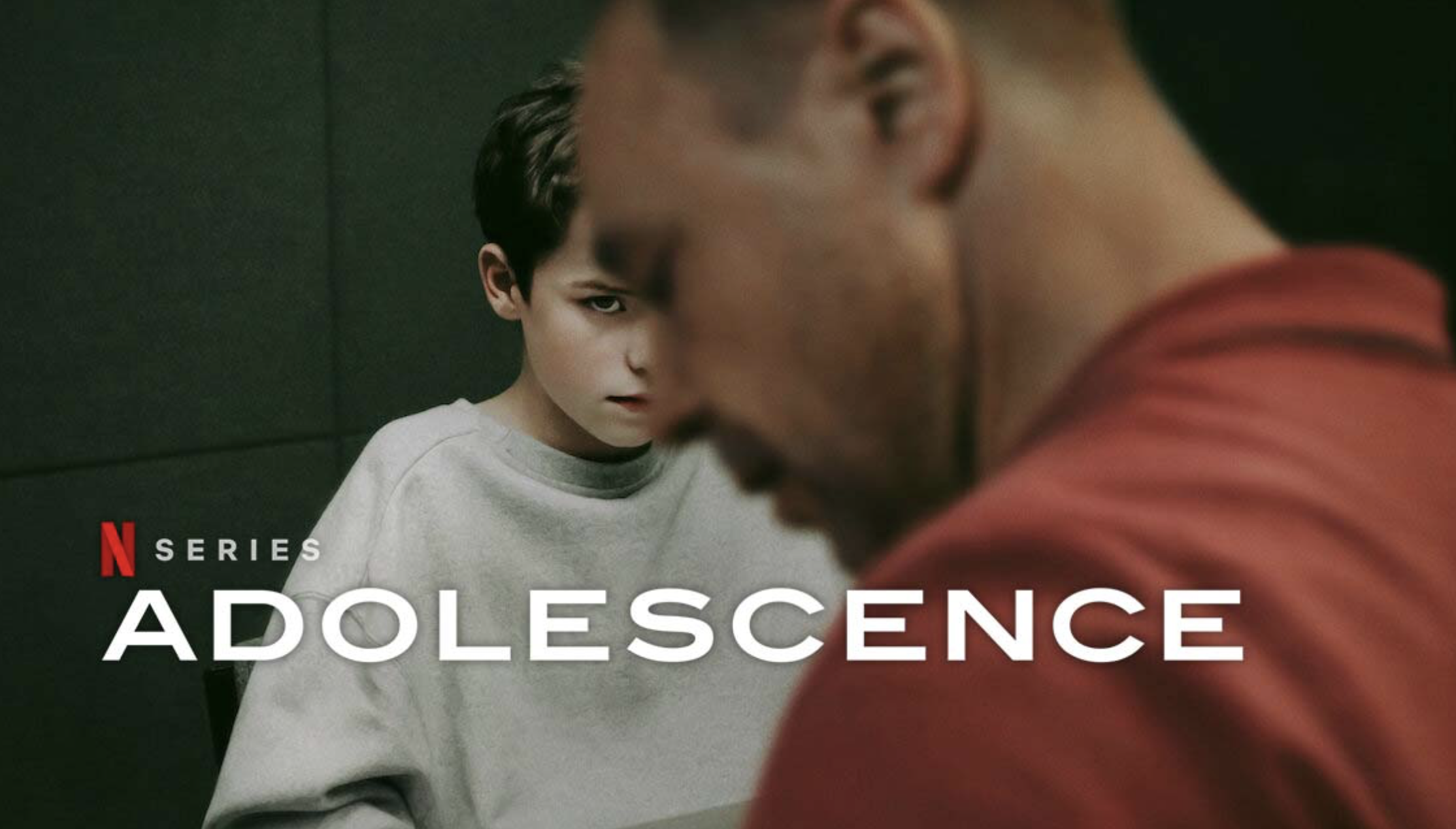
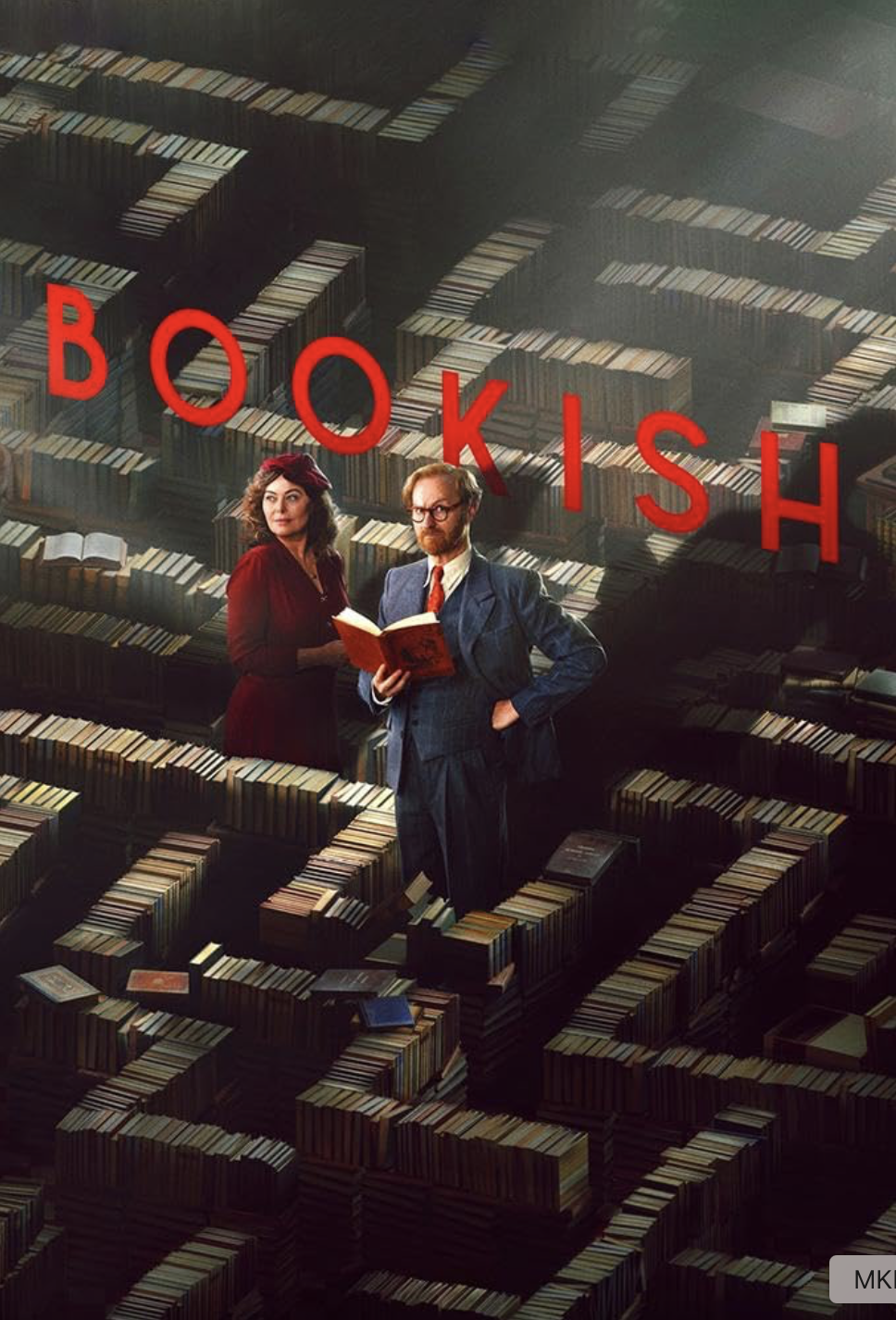
Adolescence was universally acclaimed, with Prisoner 951 and The Bombing of PanAm 103 not far behind as quality showings from the BBC. Squid Game, Paradise, Zero Day, Cassandra, and The Eternaut made for compelling genre viewing (if you’re into that kind of thing), and Bookish, Landman, White Lotus (even if Series 3 was too thinly spread, it was still a quality watch), Down Cemetery Road and Your Friends and Neighbours did the heavy lifting for drama and crime. Five of these shows are British; five are American; one is Korean, one is German; and one is Argentinian. This distribution is what you might expect with the UK more or less pulling its weight. For twenty percent of any art form to be good-to-excellent isn’t bad… but what strikes me is that there isn’t much of a middle-ground.
There were a variety of reasons that I bailed from more than 60 percent of the shows I started. Obviously this is subjective (albeit informed by a working knowledge of the industry) but according to my notes, eighteen were unwatchably bad, somewhat outnumbering those worthy of a triple thumbs up . Usually it was the script that honked, occasionally aided and abetted by iffy production values and dodgy-as-hell acting, leaving me wondering how on earth they got to the small screen without someone shouting: ‘Oi! No!!! Stop!!!!’ To be fair to the remaining thirteen shows in the ‘Ep1 Bail’ category, they were decently written and produced, but when faced with the choice of what to watch next they just didn’t do enough to earn a place in my heart. After one episode, I felt like I’d got the general idea and seen enough. A test of this is when you come back to watch the second episode, can’t remember what on earth happened the last time and can’t be bothered to find out. Rather a lot of TV is like this.
And while the UK seems to hold its own at the quality end of the stats, 81% of these ‘Ep1 Bails’ were British with just 19% of them being of U.S. origin. Obviously watching from the UK it’s bound to be weighted that way (i.e. because U.S. turkeys don’t really make it over the pond nor onto British algorithmically determined watchlists), but let’s be brutally honest, there’s something uniquely limp about far too much of our homegrown product.
It’s the thrillers that are the problem. For some reason British TV seems incapable of making thrillers that are actually thrilling. The quirky, quasi comedic ones do better – Down Cemetery Road and Slow Horses and the extremely daft Assassins are notable exceptions – but our attempts to be be classy or genuinely exciting tend to sputter on an altar of suburban parochialism. Our cars are too functional, our streets look as if they smell of over-cooked cabbage, our politicians just aren’t important enough, our spies are either public school stereotypes or unlikely streetwise wastrels. And if I see another series about a fish-out-of-water detective arriving in a small town, usually after a divorce/bereavement/breakdown/rehab/corruption accusation (delete where not applicable) uncovering the community’s ‘dark secrets’ I think I may just give up and watch nature documentaries for the rest of my life.

As for British TV’s toe-curling forays into science-fiction… aside from Black Mirror, no, just no.
We’re on safer ground when we stop trying to pretend to be something we’re not and focus on human drama – often journalistically inspired – and what it tells us about the human condition, hence excelling at shows like Adolescence, Prisoner 951 and in previous years Baby Reindeer or Mr Bates vs the Post Office. We do ‘issues’ like no one else on the planet, perhaps because there’s less of a disparity between the aspirations of the drama and the fumbling mundanity of British life – and little requirement for dodgy special effects.
Of course, a lot of what my viewing habits reveal is just about me. Once you’ve been around the TV block a few times – and then a few times more – the medium gets harder and harder to watch. I spent the best part of 25 years writing Long Running Series (aka Soaps) and while I’m proud of my work and respect the commitment and industry of all involved in producing the sheer volume of drama that they do, I just have to turn onto any one of the soaps for about ten seconds to know that character x is being abused by their partner; that the bride/bridegroom-to-be is sleeping with character y in the wedding congregation; that character z is about to discover they have dementia/a.n.other terminal/hereditary disease; that character c has a secret lovechild (played by someone who got the axe from another soap); that character b is about to discover the true identity of their father/mother (possibly due to the need for a new kidney); and that character a is about to get punched by a man/slapped by a woman/have a drink thrown over them and get ejected from of a pub. If it’s a medical soap then someone who suddenly can’t breathe will be saved by a coat-hanger and a biro (niftily inserted into the 2nd intercostal space) and that anyone in a hospital bed talking about their garden or the holiday they plan to take next year will be dead by the end of the second act. All of these stories are executed to the best of everyone’s ability and are perfectly charming first or even second time around but once you start to lose count then it’s time to look elsewhere for one’s entertainment.
Similarly with one or two notable exceptions (Ludwig and Bookish) whodunnits – and especially cosy crime – make me feel as if my life is draining into oblivion (which of course it is, but who needs reminding?). I know how incredibly popular they are – I wouldn’t dare to argue with the figures – but they are a mystery to me, and not in the way intended by the producers. The deaths never seem to matter to anyone, so why should I care?
We British are also lauded for our period dramas, but – and again this is a factor of my age and cynicism – I can never get past the sense that they are a) wandering around a National Trust Property looking for the tea room; b) their teeth are too white or c) intercourse is probably ill-advised as the breathlessly passionate characters are bound to have at least one sexually transmitted disease for which there is no cure, not to mention appalling halitosis.
On the subject of sex, why is it that British TV sex tends to imply that a man’s penis is eighteen inches long and shaped like a U-bend?
The main thing I conclude from watching period dramas is that whatever the merits or otherwise of the storytelling, the past sure as hell wasn’t remotely like this – it was another country altogether where they definitely did pretty much everything differently from how it is written, acted and designed for modern TV consumption. And if we’re not going to treat our own history seriously then what’s the point of it? And don’t cite Shakespeare’s lack of historical accuracy to me. He was a genius, he doesn’t count.
So while some reading this might fairly conclude that I need to take a break from telly drama and go and sit in a darkened room for a few years, there is a serious point to be made. There’s a mismatch between what British drama aspires to make and what it can actually achieve. Some of it is about cash. Too much of our drama looks cheap – because it is. We sit in front of our unforgiving UHD flat screens and we know what the show is supposed to look like and that disparity outpaces any chance that our disbelief will be suspended. American TV money is just better at making the fundamentally unreal look real.
But that mismatch speaks to something else as well. Too often the worlds British television tries to imagine for us aren’t just removed from the realities of the human condition, but fall so far short of life’s complexities as to strip them of any reason to go on watching whatsoever. They recast our experiences as a succession of melodramatic clichés seen through a washed out prism of woolly liberal media dinner party values. Drama can either challenge or reassure, and there’s definitely space for both, but those moments of challenge seem to be increasingly few and far between. Perhaps it’s just another symptom of the digital age. Just as politicians are no longer able to make anything resembling a difficult decision for fear of an online pile-on, broadcasters stick to narrower and narrower tried and tested genre boundaries for fear of digital desertion. Pretty much any TV writer can tell you of having projects rejected on the basis that ‘we’ve already got something with a disabled character in development’ or ‘we’ve already got an eco thriller’ as if there can only ever be one of those at any one time when there seems to be an infinite amount of air time available for curmudgeonly detectives to be uncovering a community’s dark secret. Any TV writer will tell you of the conversation they had with a commissioning editor insisting that ‘we definitely don’t want any more cops or docs!’ only to see their next new show centre on a detective in an emergency ward.
I’m certainly not a believer in the sentimental idea of a lost Golden Age of television drama. I’ve been watching telly since the mid 1960s, and our screens have always been filled with endless amounts of dross. The myth of bygone golden ages is largely a product of having disposed of all the crap and remembered the good stuff. ‘2025 was the year of Adolescence,’ we will say in ten years time, ‘truly a Golden Age!’ …having conveniently forgotten the 31 unwatchable series that failed to tempt us past episode one.
In that respect things are, arguably, the same as they ever were, but… but… today’s broadcasting landscape is different. There’s so much of it. It ought to be an opportunity, a chance to broaden our horizons, to explore true diversity.

I’m not talking about diversity of identity, not tickbox diversity, but a diversity of the imagination. That’s something different altogether. Counterintuitively, the more choice we have, the less choice there seems to be. And on reflection, I think that’s why I wearily abandoned so many shows last year.
So, for the year ahead? Will the ratios be the same, better, or will I simply not bother to watch – and abandon – so much stuff? Check in this time next year, and I’ll let you know.
 NinjaMarmoset